Archives
- 2026-07
- 2026-06
- 2026-05
- 2026-04
- 2026-03
- 2026-02
- 2026-01
- 2025-12
- 2025-11
- 2025-10
- 2025-09
- 2025-03
- 2025-02
- 2025-01
- 2024-12
- 2024-11
- 2024-10
- 2024-09
- 2024-08
- 2024-07
- 2024-06
- 2024-05
- 2024-04
- 2024-03
- 2024-02
- 2024-01
- 2023-12
- 2023-11
- 2023-10
- 2023-09
- 2023-08
- 2023-07
- 2023-06
- 2023-05
- 2023-04
- 2023-03
- 2023-02
- 2023-01
- 2022-12
- 2022-11
- 2022-10
- 2022-09
- 2022-08
- 2022-07
- 2022-06
- 2022-05
- 2022-04
- 2022-03
- 2022-02
- 2022-01
- 2021-12
- 2021-11
- 2021-10
- 2021-09
- 2021-08
- 2021-07
- 2021-06
- 2021-05
- 2021-04
- 2021-03
- 2021-02
- 2021-01
- 2020-12
- 2020-11
- 2020-10
- 2020-09
- 2020-08
- 2020-07
- 2020-06
- 2020-05
- 2020-04
- 2020-03
- 2020-02
- 2020-01
- 2019-12
- 2019-11
- 2019-10
- 2019-09
- 2019-08
- 2019-07
- 2019-06
- 2019-05
- 2019-04
- 2018-11
- 2018-10
- 2018-07
-
One of the therapeutic proteins used in cancer therapy is
2020-12-21
One of the therapeutic proteins used in cancer therapy is glucarpidase, also known as Carboxypeptidase G2, CPG2, which originates from the bacterium Variovorax paradoxus (old name, Pseudomonas sp. strain RS-16). It has no mammalian equivalent (Thompson et al., 1994; Kamlage, 1994) and is a zinc-depe
-
Kumar et al studied Umbelliferone D galactopyranoside UFG
2020-12-21
Kumar et al. studied Umbelliferone β-D-galactopyranoside (UFG) (benzopyrone), found in many plants exhibiting numerous pharmacological actions. The results of the study showed that UFG in a dose of 10, 20 or 40mgkg-1 per day, helps to prevent paw edema and arthritic score development for arthritis i
-
GSK1070916 SPR was used to measure
2020-12-21
SPR was used to measure biomolecular kinetic interactions between TERRA G-quadruplex and ligand in the present study. SPR is a widely used method, but cannot tell which specific type of interaction happened. Compounds with similar structures probably have similar mechanism of interaction, while comp
-
ERRGO mice exhibited increased oxygen consumption decreased
2020-12-21
ERRGO mice exhibited increased oxygen consumption, decreased RER, high running endurance, and resistance to diet-induced weight gain. These changes are physiological hallmarks of increased aerobic capacity in mice and are a direct consequence of engineering highly oxidative and vascularized muscle b
-
br Author Contributions br Acknowledgments This work
2020-12-18
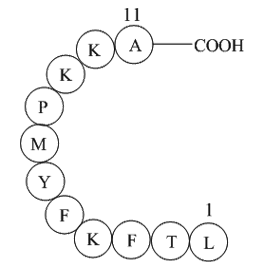
Author Contributions Acknowledgments This work was supported, in part, by a grant from the National Cancer Institute of the National Institutes of Health under Grant U01CA202241 and National Institutes of Health under Grant R01NS083856. Introduction The Eph (erythropoietin-producing human
-
We further analyzed the transcriptional
2020-12-18
We further analyzed the transcriptional mechanisms underlying the synergistic action of IL-23 and PGE2 and found that this action is mediated by not only STAT3 but also CREB1 and NF-κB. Involvement of CREB1 is analogous to that in the PGE2-EP2/EP4–mediated Il12rb2 induction during TH1 cell different
-
There has recently been some interest in Uba which is
2020-12-18
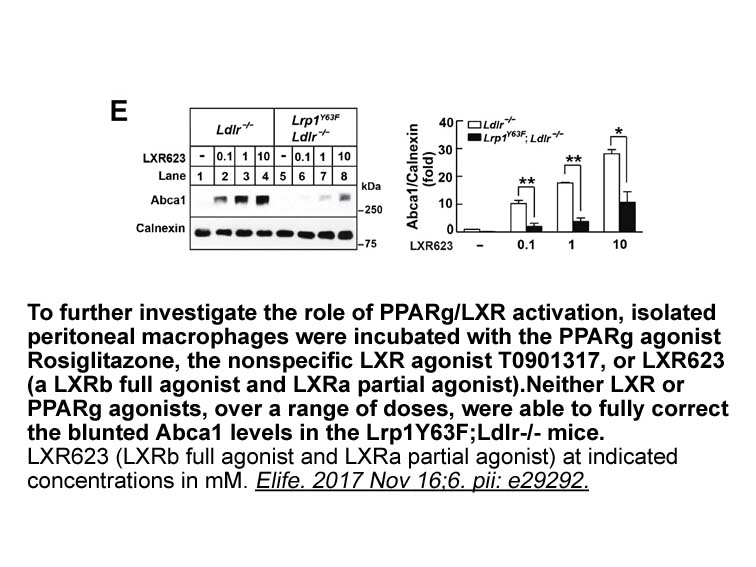
There has recently been some interest in Uba6, which is most similar to slime mold, with BLAST identities of 59% and positives 73% in the 400–600 ADD range. The 400–600 ADD correlation of the two profiles is a striking 87%, so functional differences probably arise outside the ADD binding domain. Hu
-
Because of the lack of sequence current knowledge
2020-12-18
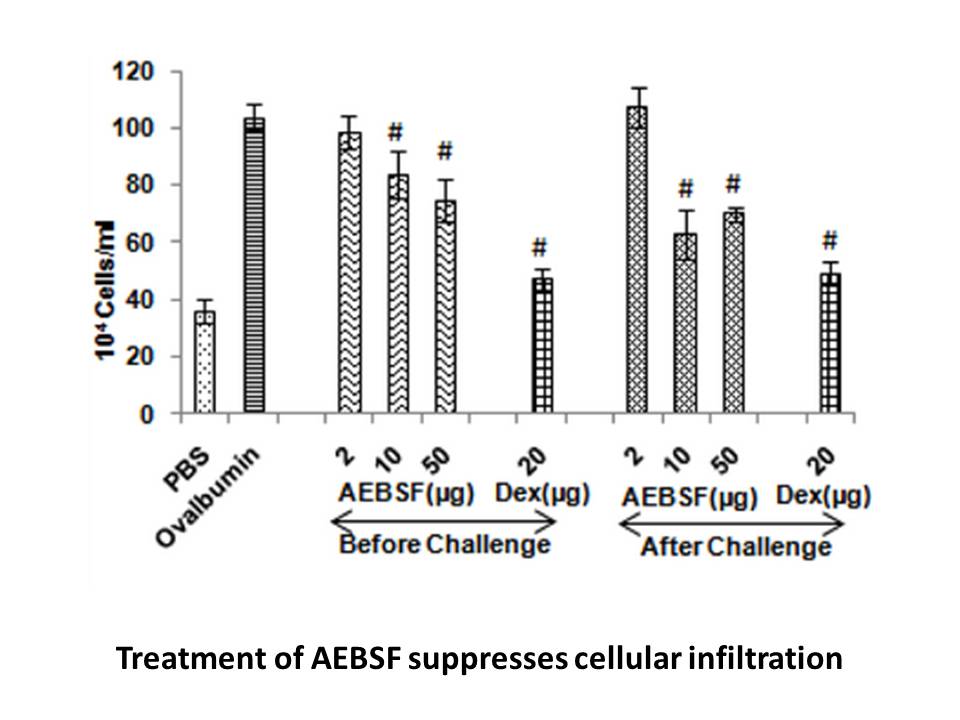
Because of the lack of sequence, current knowledge on the cellular regulation of CoA-IT is scarce. However, recent work has suggested an interesting new role for CoA-IT in regulating the extent of the AA mobilization response in primed macrophages. Bacterial lipopolysaccharide (LPS) is a poor trigge
-
Although PKC in cancer cells is known
2020-12-18
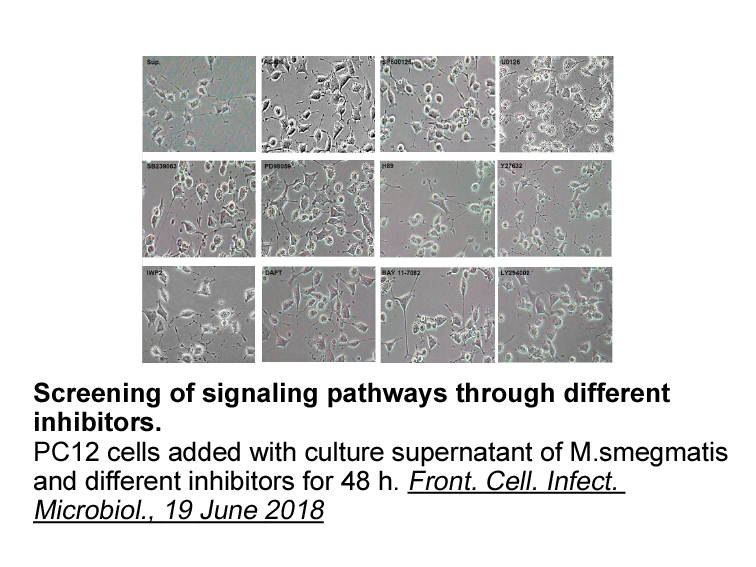
Although PKCδ in cancer Ethyl 3-Aminobenzoate methanesulfonate is known to promote antiapoptotic signaling, a cleaved form of PKCδ, δCF, has been reported to play a contrasting role in enhancing apoptosis (Reyland, 2007), and these complex functions appear to be cell-type dependent (Basu and Pal, 2
-
In the current study cocaine did
2020-12-18
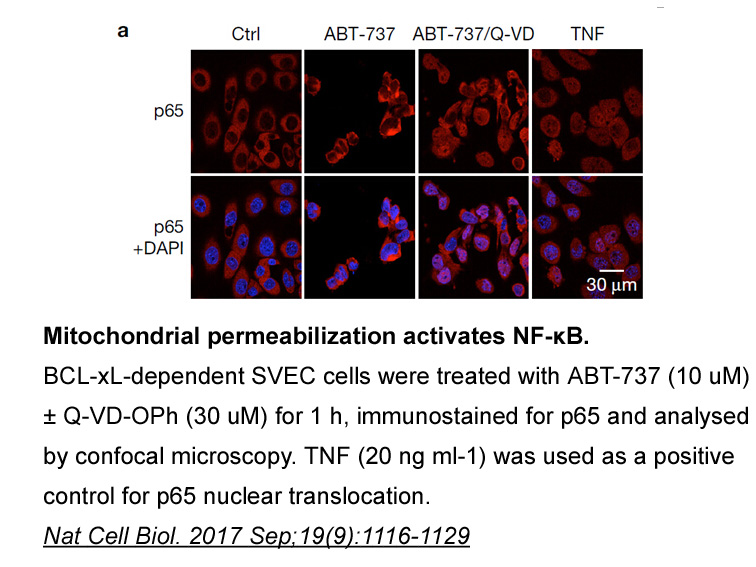
In the current study, cocaine did not significantly increase negative subjective effects and nepicastat did not increase these responses. This outcome is somewhat surprising given that the most commonly reported effect to date has been to increase the aversive properties of cocaine such as anxiety,
-
Western blotting and flow cytometry
2020-12-18
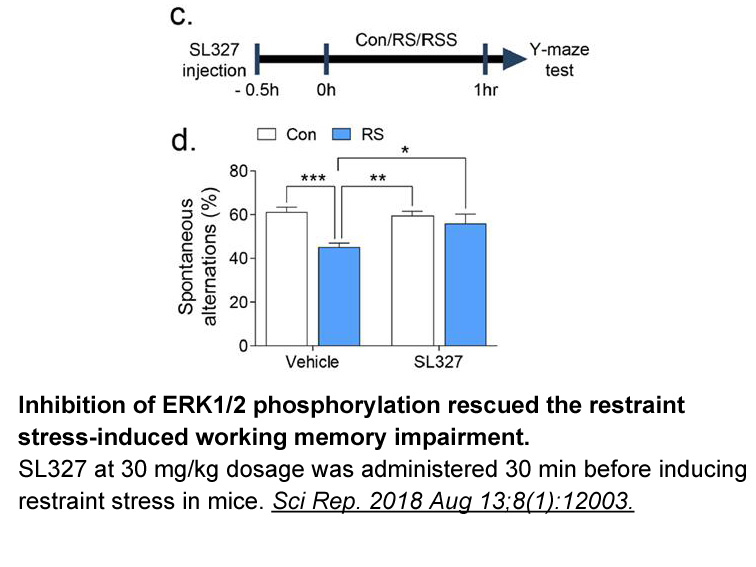
Western blotting and flow cytometry was employed to assess the DNA-PK inhibition of LTU28 and LTU31 in combination with radiation. It has been previously reported that phosphorylation of DNA-PKcs at the Thr2609 cluster plays an important role in DSB repair and resistance to radiation (Ding et al., 2
-
br Introduction Although not fully
2020-12-18
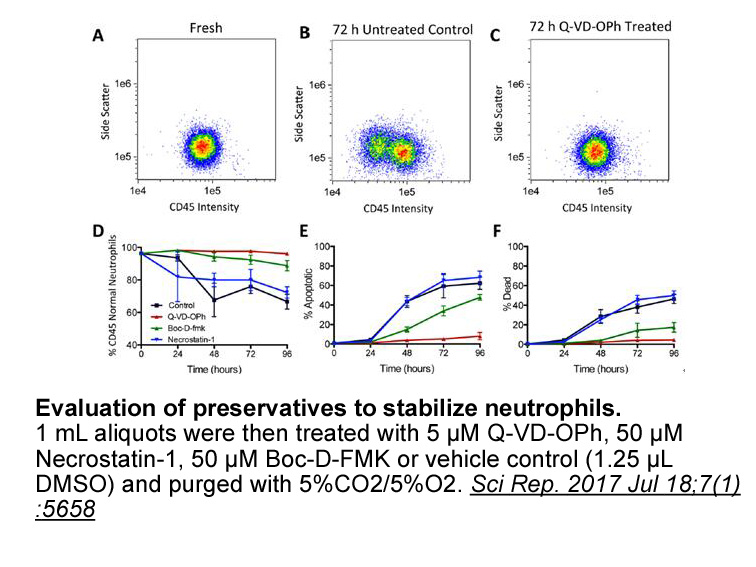
Introduction Although not fully understood, the molecular toxicology of sulfur mustard (bis(2-chloroethyl)sulfide, SM; CAS–Nr. 505-60-2), an alkylating warfare agent, has been attributed to DNA alkylation [1], [2], [3]. The same principle holds true for other alkylating compounds such as nitrogen
-
P falciparum DHFR TS is a particularly important enzyme beca
2020-12-18
P. falciparum DHFR-TS is a particularly important enzyme, because it is from the protozoan species that is associated with most malaria infections. Since this enzyme is responsible for catalyzing sequential reactions in the thymidylate cycle, its inhibition slows malarial dTMP production and therefo
-
The recombinant Scl collagen system
2020-12-18
The recombinant Scl2 collagen system has shown capability as a biomaterial as well because of its adaptability and scalability. Scl2 was functionalized to crosslink into a hydrogel without disrupting its triple helix [130]. The Scl2–hydrogel crosslinking also did not disrupt cell adhesion and integr
-
One possible explanation for differences in the binding abil
2020-12-18
One possible explanation for differences in the binding ability of monomeric versus dimeric forms of DDR2 ECD to collagen could be that the monomeric form only binds to the primary GVMGFO site, whereas dimeric (and oligomeric) DDR2 ECD binds to additional sites on the collagen triple-helical molecul
16308 records 751/1088 page Previous Next First page 上5页 751752753754755 下5页 Last page