Archives
- 2026-10
- 2026-09
- 2026-08
- 2026-07
- 2026-06
- 2026-05
- 2026-04
- 2026-03
- 2026-02
- 2026-01
- 2025-12
- 2025-11
- 2025-10
- 2025-09
- 2025-03
- 2025-02
- 2025-01
- 2024-12
- 2024-11
- 2024-10
- 2024-09
- 2024-08
- 2024-07
- 2024-06
- 2024-05
- 2024-04
- 2024-03
- 2024-02
- 2024-01
- 2023-12
- 2023-11
- 2023-10
- 2023-09
- 2023-08
- 2023-07
- 2023-06
- 2023-05
- 2023-04
- 2023-03
- 2023-02
- 2023-01
- 2022-12
- 2022-11
- 2022-10
- 2022-09
- 2022-08
- 2022-07
- 2022-06
- 2022-05
- 2022-04
- 2022-03
- 2022-02
- 2022-01
-
br Dihydrotestosterone in adult fish and frogs
2022-11-03
Dihydrotestosterone in adult fish and frogs New perspectives and next directions Similar to other androgens, DHT can modulate reproductive endpoints in both fish and amphibians. However, predicting the effects of DHT can be challenging, as reproductive homeostasis is dependent upon the balance
-
Another significant group of reductase
2022-11-03
Another significant group of 5α-reductase inhibitors is the steroidal 3-carboxylic BYL-719 derivatives (relevant examples in Fig. 5), which were designed to mimic the putative enzyme-bound enolate intermediate. This was achieved by introducing sp2-hybridized centers at C3 and C4 and an anionic carb
-
br Acknowledgements We thank Dr Stefan Schulte Merker and
2022-11-03
Acknowledgements We thank Dr. Stefan Schulte-Merker and his group members at the Hubrecht Institute (Utrecht, the Netherlands) for their invaluable support of the zebrafish studies. Our work is supported by grants from the Dutch Cancer Society (KWF) and the Netherlands Organisation for Scientific
-
MLN another selective Aurora A inhibitor is said to
2022-11-03
MLN8237, another selective Aurora-A inhibitor is said to be more potent than MLN8054 and to cause less benzodiazepine-like side effects based on structure modulation by the addition of a methoxy group to either end of the MLN8054 molecule. It was studied [62] in a once daily (QD) schedule for 7 days
-
The identification of novel kinase inhibitor scaffolds is
2022-11-03
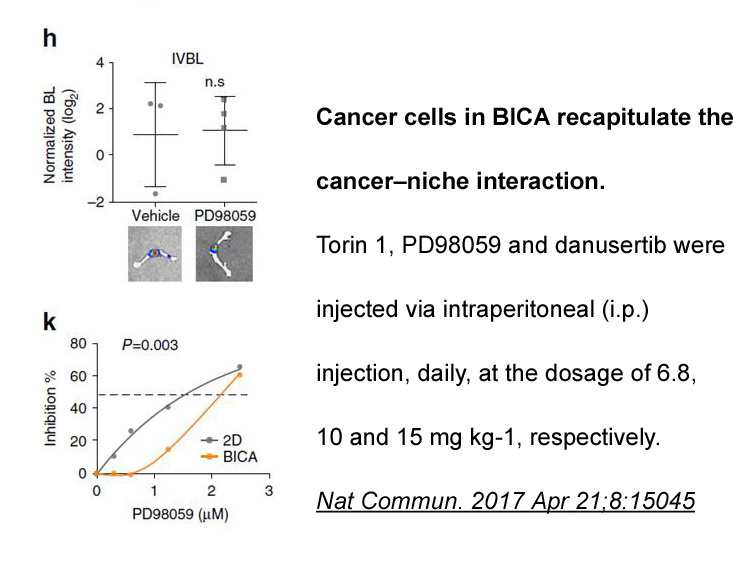
The identification of novel kinase inhibitor scaffolds is highly desirable in order to develop selective kinase inhibitors. Small-molecule inhibitors of Interleukin-2-inducible T-cell kinase (Itk) that are based on the 3-aminopyridin-2-one fragment 1 have been reported. Despite derivatisation of 1 y
-
These recommendations may be useful for the future to avoid
2022-11-03
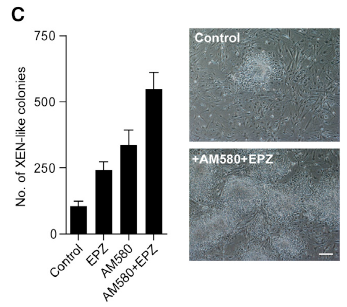
These recommendations may be useful for the future to avoid misleading reports and pairings. However, the existing literature can also hold back current research on some given orphans. Before entering into drug development or further physiological conceptual framework, these pairings should be thoro
-
Several alterations have been or
2022-11-03
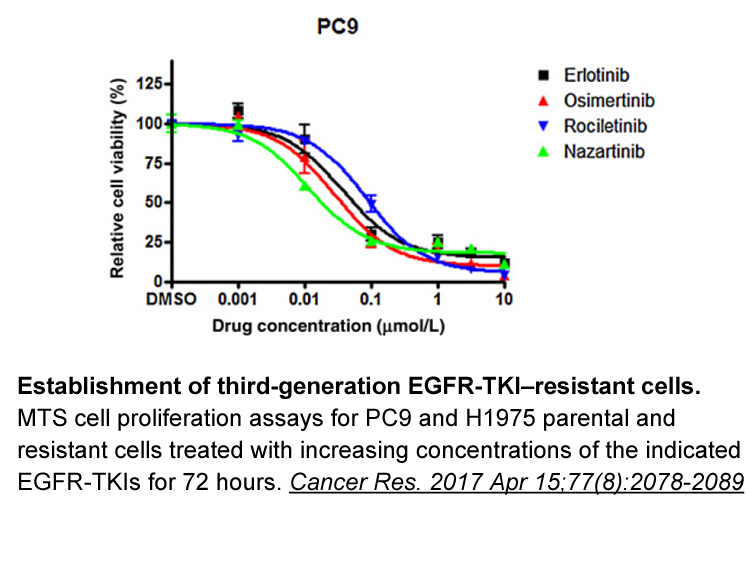
Several alterations have been or can be associated to the decreased tolerance of steatotic liver to I/R injury. Previous studies demonstrated that upregulation of the mitochondrial uncoupling protein-2 (UP2) is strictly related to the increase of I/R injury in steatotic liver [4]. UPR induction is c
-
br Aromatase inhibitors The aromatase enzyme P
2022-11-03
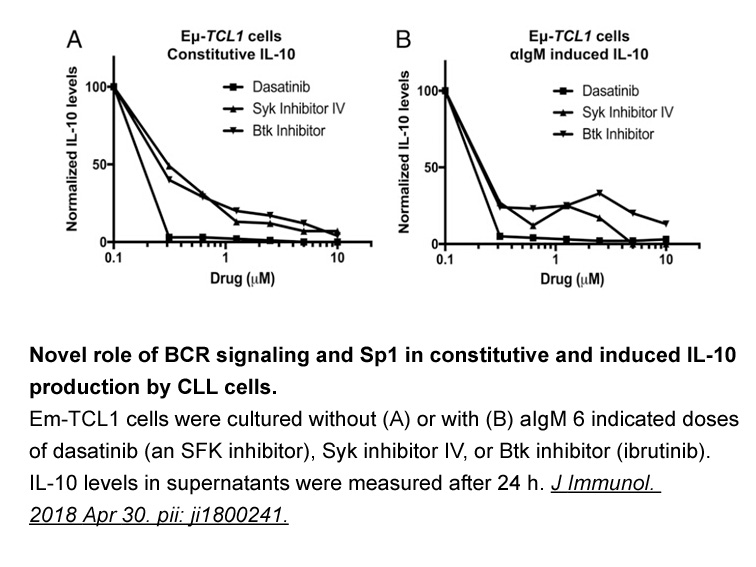
Aromatase inhibitors The aromatase enzyme, P450arom, belongs to the super-family of P450 proteins which includes more than 480 members divided in 74 different families. P450arom is a unique member of family 19 [39], and is located in the endoplasmic reticulum of mammalian MKT 077 mg that express
-
br Conclusion br Acknowledgments The authors extend their ap
2022-11-03
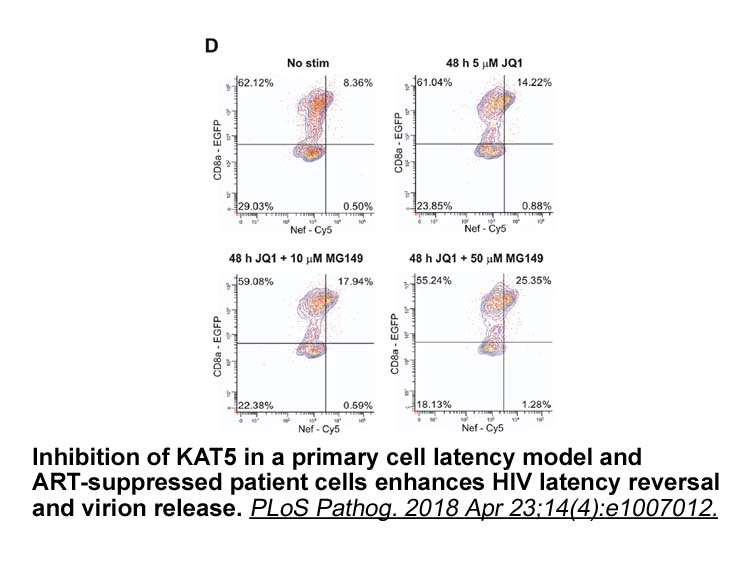
Conclusion Acknowledgments The authors extend their appreciation to Kayyali Chair for Pharmaceutical Industry, Department of Pharmaceutics, College of Pharmacy, King Saud University for funding this work through the research project Number (G-2016-2). Introduction L-ornithine is a natural
-
br Experimental br Acknowledgment This paper was financially
2022-11-03
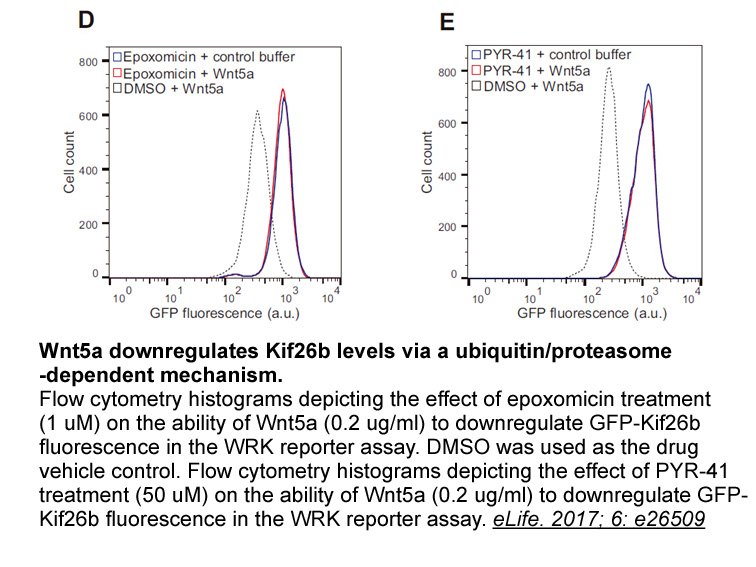
Experimental Acknowledgment This paper was financially supported by the Project Funded by China Postdoctoral Science Foundation (2017T100186), Natural Science Foundation of Liaoning Province (20170540858), General Scientific Research Projects of Department of Education of Liaoning Province (20
-
The total IgG concentration decreased from a
2022-11-01
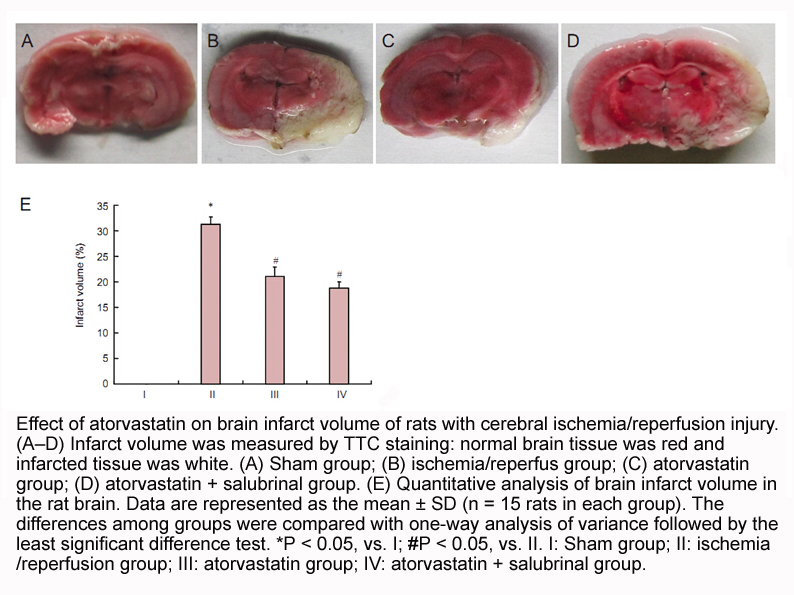
The total IgG concentration decreased from a mean of 997 mg/100 ml before treatment to a mean of 696 after treatment in the MuSK+MG patients, and from a mean of 1736 mg/100 ml to a mean of 802 mg/100 ml in the AChR+MG patients (normal values 723–1685 mg/100 ml). This decrement was also statistically
-
Whereas more research is needed to identify
2022-11-01
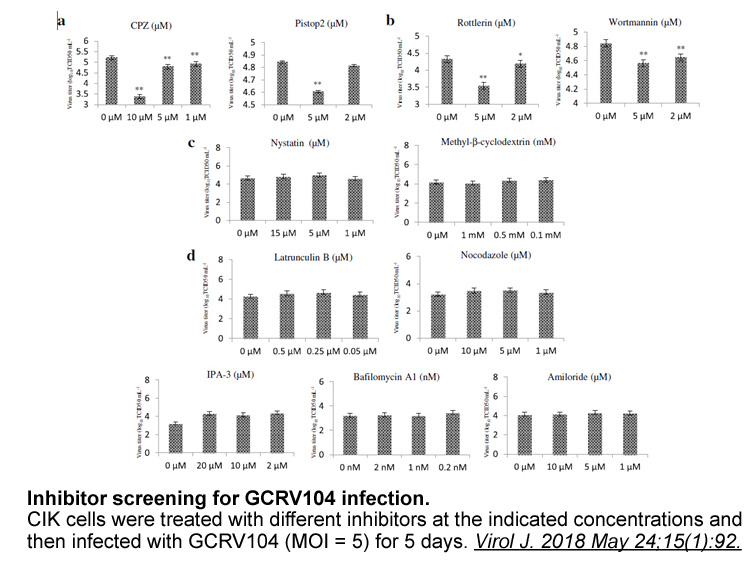
Whereas more research is needed to identify the precise mechanism by which FIN exerts its antidyskinetic effect, the RO4929097 mg that it can negatively modulate dopaminergic transmission is also supported by our previous findings. Indeed, we have previously shown that FIN completely reversed the b
-
br Acknowledgements MC and PD were funded by
2022-11-01
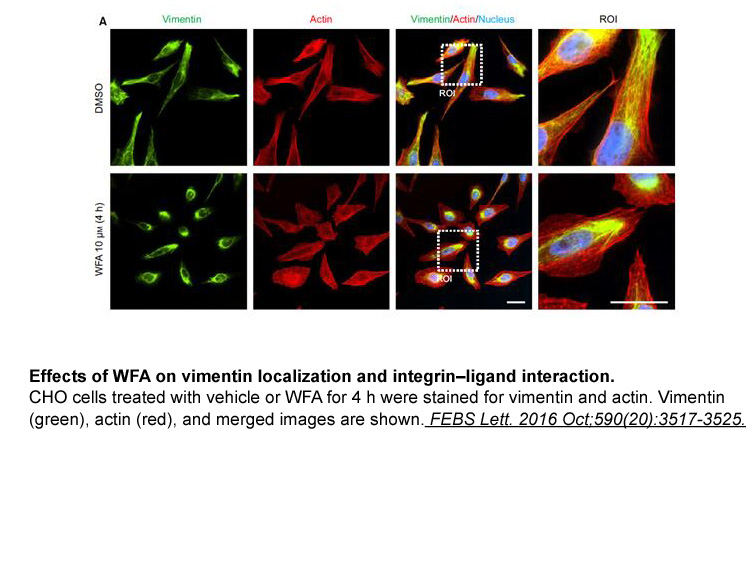
Acknowledgements MC and PD were funded by the Michael J Fox Foundation (Grant ID 9969). We would like to thank Pierluigi Saba, Francesco Traccis and Barbara Tuveri for their technical assistance. Introduction In the prostate, androgens play a crucial role in normal, BPH and cancerous growth b
-
While it is known that circulating
2022-11-01
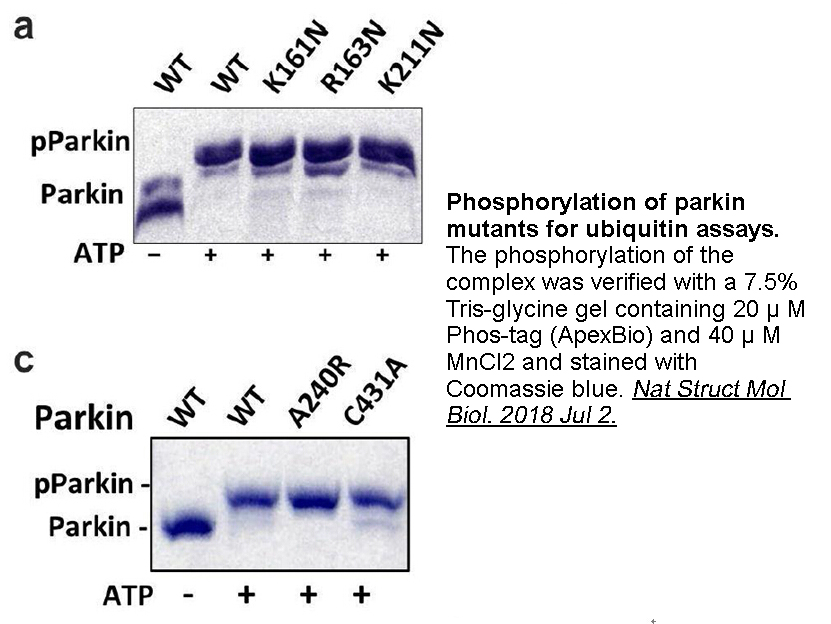
While it is known that circulating LDL-C levels are largely regulated by either controlling the rate of hepatic production of its triglyceride-rich precursor VLDL particle or the rate of LDLR-mediated LDL particle clearance [58], it should be noted that important differences exist between rodents an
-
br Acknowledgments br Introduction Human innate immune syste
2022-11-01

Acknowledgments Introduction Human innate immune system provides first line of defense against multiple viral or bacterial attacks, and provides critical surveillance against oncogenic development. Evidences show that individuals with primary immunodeficiency or induced immunosuppression durin
8087 records 387/540 page Previous Next First page 上5页 386387388389390 下5页 Last page